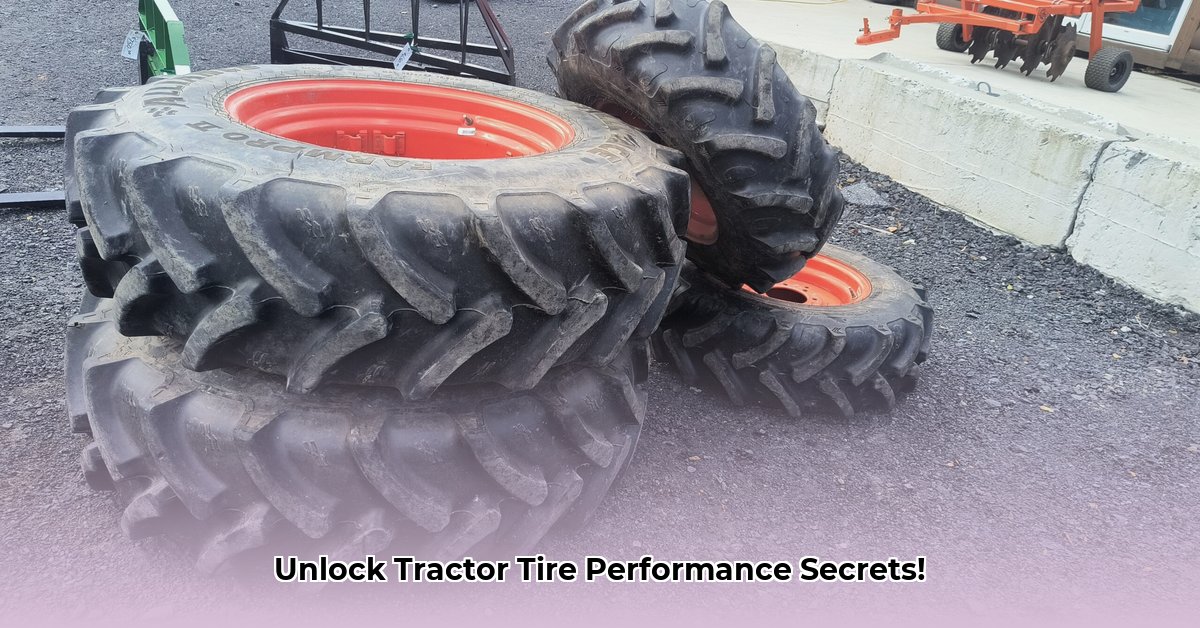
16.9 x 30 Tractor Tires: A Comparative Review and Actionable Guide
Choosing the right tractor tires is a critical investment impacting farm profitability. This article provides a comparative review of 16.9 x 30 tractor tires, focusing on actionable intelligence to help you maximize your return on investment (ROI). We'll examine key performance indicators, offer a structured decision-making framework, and highlight the importance of data-driven analysis. For information on other sizes, check out our guide on 18.4 x 30 tractor tires.
Understanding Key Performance Indicators for 16.9 x 30 Tractor Tires
The 16.9 x 30 tire size is a popular choice, offering a balance between traction, ground clearance, and operational efficiency. However, not all 16.9 x 30 tires are created equal. Several key performance indicators (KPIs) should guide your selection:
Traction: Superior traction minimizes wheel slippage, leading to improved fuel efficiency and increased productivity. The tread pattern and angle significantly impact traction in various soil conditions. A deeper tread with a more aggressive angle generally offers better grip in mud or wet conditions.
Soil Compaction: Reduced soil compaction is crucial for long-term soil health and crop yields. Larger tire sizes, like the 16.9 x 30, generally distribute weight more effectively, minimizing compaction compared to smaller tires. This can lead to a substantial improvement in yield over time.
Durability and Lifespan: A tire's lifespan directly impacts the total cost of ownership. Higher-quality tires, while initially more expensive, often last longer, ultimately reducing replacement costs. Consider the tire's construction materials and the manufacturer's warranty when evaluating durability. Does a longer-lasting tire, even with a higher initial price, truly offer better value?
Fuel Efficiency: Reduced wheel slippage and optimized traction translate directly to improved fuel efficiency. Minimizing fuel consumption is a significant factor in maximizing ROI. What are the fuel savings per acre over the lifespan of the tire?
Firestone Super All Traction II: A Case Study
The Firestone Super All Traction II (SAT II) is a notable 16.9 x 30 tire featuring a unique 23° tread bar angle. This design aims to increase ground contact compared to the more common 45° angle, potentially resulting in approximately 15% better grip. Increased ground contact often translates to a smoother ride and better fuel efficiency. However, independent verification of this claim is needed to fully assess its validity.
A Step-by-Step Guide to Choosing the Right 16.9 x 30 Tire
Making an informed decision requires a structured approach:
Assess Your Needs: Analyze your typical terrain, farming operations, and tractor specifications. What are your primary challenges? Do you need maximum traction in wet or hilly conditions, or do you prioritize fuel efficiency?
Research and Compare: Thoroughly research different 16.9 x 30 tire models, comparing specifications, features, and prices from multiple suppliers.
Obtain Multiple Quotes: Get quotes from at least three suppliers to ensure you're getting a competitive price. Include delivery fees and warranty information in your comparison. Negotiating prices can also yield significant savings.
Conduct Small-Scale Trials (If Feasible): If possible, conduct field trials to compare different tire models under your specific conditions. Meticulously track fuel consumption, slippage, and overall performance using standardized measurement tools.
Analyze Data and Calculate ROI: Carefully analyze the data collected from your trials. For each tire model, calculate the ROI, considering the initial cost, lifespan, fuel savings, and productivity gains. A spreadsheet is a useful tool for this process.
Make an Informed Decision: Based on your analysis and ROI calculations, choose the tire that best aligns with your operational needs and budget. Remember that the lowest initial price might not represent the best long-term value.
Maximizing ROI: Beyond the Tire Itself
Beyond selecting the optimal tire, several strategies can further enhance ROI:
Proper Tire Pressure: Maintaining the correct tire pressure is crucial for optimal performance, fuel efficiency, and tire lifespan. Underinflation leads to increased wear, while overinflation can negatively impact traction and soil compaction.
Regular Tire Inspections: Regularly inspect your tires for signs of wear, damage, or punctures. Addressing minor issues promptly can prevent larger, more costly problems.
Preventive Maintenance: Schedule routine maintenance, including tire rotation and wheel alignment, to optimize tire performance and longevity.
Conclusion
Selecting the right 16.9 x 30 tractor tire is a strategic investment demanding careful consideration of various performance indicators and long-term cost implications. By following the steps outlined in this guide and prioritizing data-driven decision-making, farmers can significantly enhance their operational efficiency and maximize their return on investment. Remember, the ideal tire choice will always depend on your specific farm's unique conditions and practices.